Accessible self-pay mental health counseling — fees are discussed during the initial consultation.

Parenting Support & Child Counseling in Clemson, SC
Parenting is meaningful work, and it is also demanding. Many parents reach a stage where the worry, the conflict, or the constant pressure becomes heavier than expected.
This is especially true for parents who:
Are raising a child with autism, ADHD, or other special needs
Have a child who is struggling emotionally
Experienced trauma or inconsistent care in their own childhood and want to parent differently
Feel overwhelmed by their child’s anxiety, behavior, or emotional needs
Are navigating the daily demands of supporting a neurodivergent child while managing their own stress
A Time To Heal offers supportive counseling and coaching for parents and for children who are struggling emotionally. The focus is practical and compassionate: helping families understand what is happening, reduce the sense of isolation, and find clearer ways forward.
This is not clinical diagnosis or treatment. It is guidance and support grounded in nearly 40 years of experience working with children, adolescents, and families.
Sessions are held at the office at 226 Frontage Rd in Clemson, South Carolina.
A simple message is enough to begin.
Parenting, ADHD, And Emotional Regulation
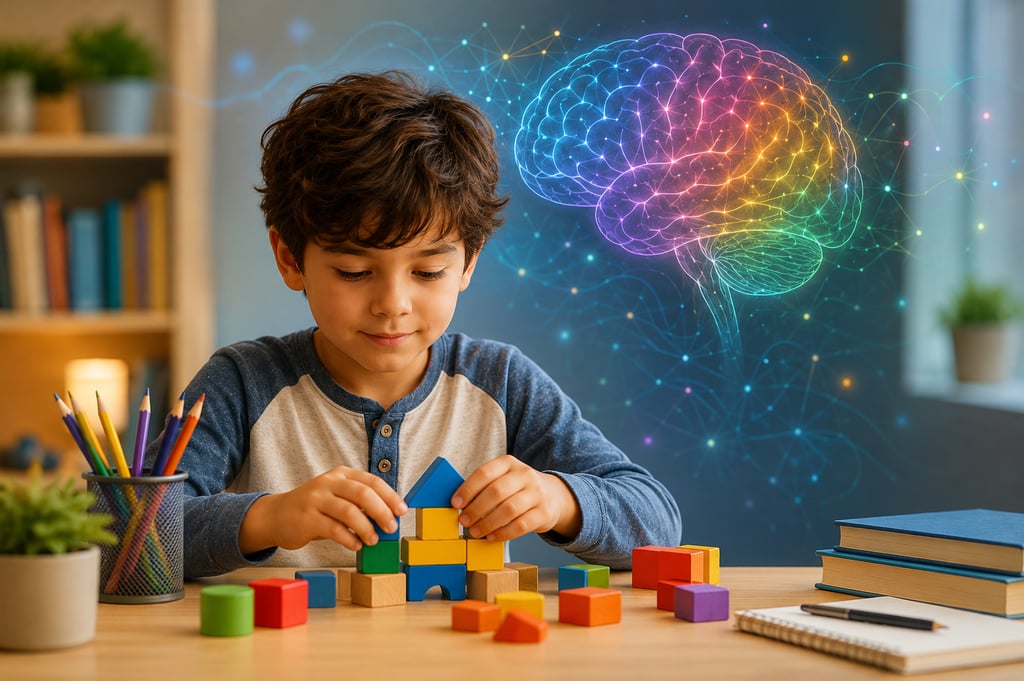
Do some children with ADHD struggle more with emotional regulation than attention alone? This article explores emerging brain imaging research suggesting that ADHD may involve distinct neurological patterns related to emotional overwhelm, frustration tolerance, stress response, and executive functioning. It offers parents a thoughtful perspective on emotional dysregulation, highly sensitive children, and the growing understanding of how brain development can influence behavior, attention, and emotional well-being.
Understanding Projective Identification in Parent–Child Relationships
Could some of the strongest emotional reactions in families be connected to feelings that are difficult to recognize or express directly? This article explores projective identification, a psychological concept that helps explain how emotions may be unconsciously transferred and experienced within relationships. It offers insight into family dynamics, emotional communication, parenting challenges, conflict patterns, and the ways greater awareness can support healthier connection and understanding.


Parenting & Communication Support Scripts

Parenting naturally involves moments where unexpected, difficult, or emotionally sensitive conversations arise without warning. In these situations, many caregivers may feel uncertain about how to respond in a way that is calm, clear, and appropriate for the child’s developmental stage.
How ADHD May Affect Children's Brains in Different Ways | The Washington Post
This article explores new research suggesting that ADHD may not be a single condition, but a group of distinct brain patterns in children and adolescents. Using advanced brain imaging, researchers identified three biological subtypes of ADHD, including one marked by significant emotional dysregulation. The findings offer new insight into why children with ADHD can experience very different challenges with attention, behavior, and emotional regulation.
The article also discusses how these discoveries may help researchers develop more personalized approaches to understanding and treating ADHD in the future. Although the findings are not yet used in clinical diagnosis, they represent an important step toward recognizing that ADHD does not look the same in every child.


How Parents Shape Emotional Development and Childhood Trauma, with Dr. Gabor Maté
This conversation explores how a child's emotional development is profoundly influenced by the quality of connection, safety, and emotional attunement they experience with their caregivers. Dr. Gabor Maté explains that while most parents genuinely love their children, love alone is not always enough if a child's emotional needs for security, belonging, authenticity, and validation are not consistently received. The discussion examines childhood trauma, emotional neglect, adverse childhood experiences (ACEs), attachment, and the ways family relationships can shape lifelong emotional and psychological well-being.
The video also explores how unresolved trauma can be passed from one generation to the next through family patterns, stress, and emotional responses. Rather than assigning blame to parents, Dr. Maté encourages greater understanding of how emotional awareness, presence, and healthy relationships can help break generational cycles while fostering resilience, emotional security, and healthier development in children.

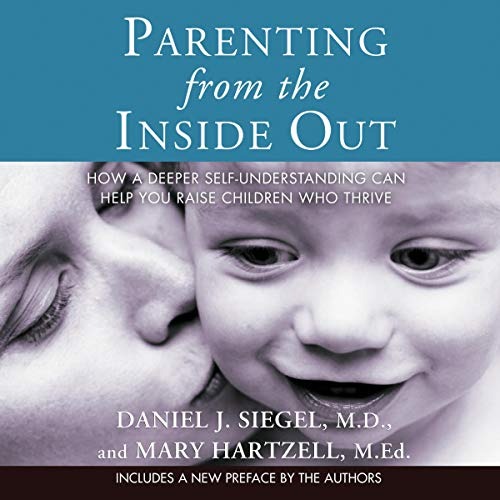
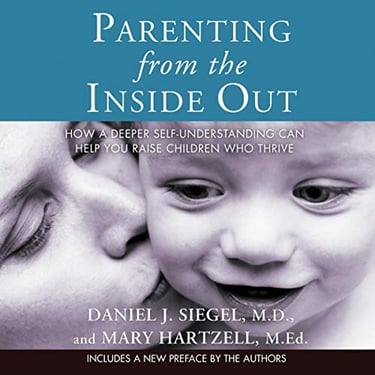
🧠 Parenting from the Inside Out, by Daniel J. Siegel, M.D. (Audible Audiobook):
How do a parent's own childhood experiences influence the way they connect with and respond to their children? Based on the work of Daniel J. Siegel and Mary Hartzell, this audiobook explores parenting, attachment, emotional regulation, and child development through the lens of neuroscience and self-awareness. It offers practical insight into building stronger parent-child relationships, fostering emotional resilience, and creating a foundation of secure connection that supports healthy growth throughout childhood.
Office
© 2026. All rights reserved.
Address
226 Frontage Rd, Clemson, SC 29631

